
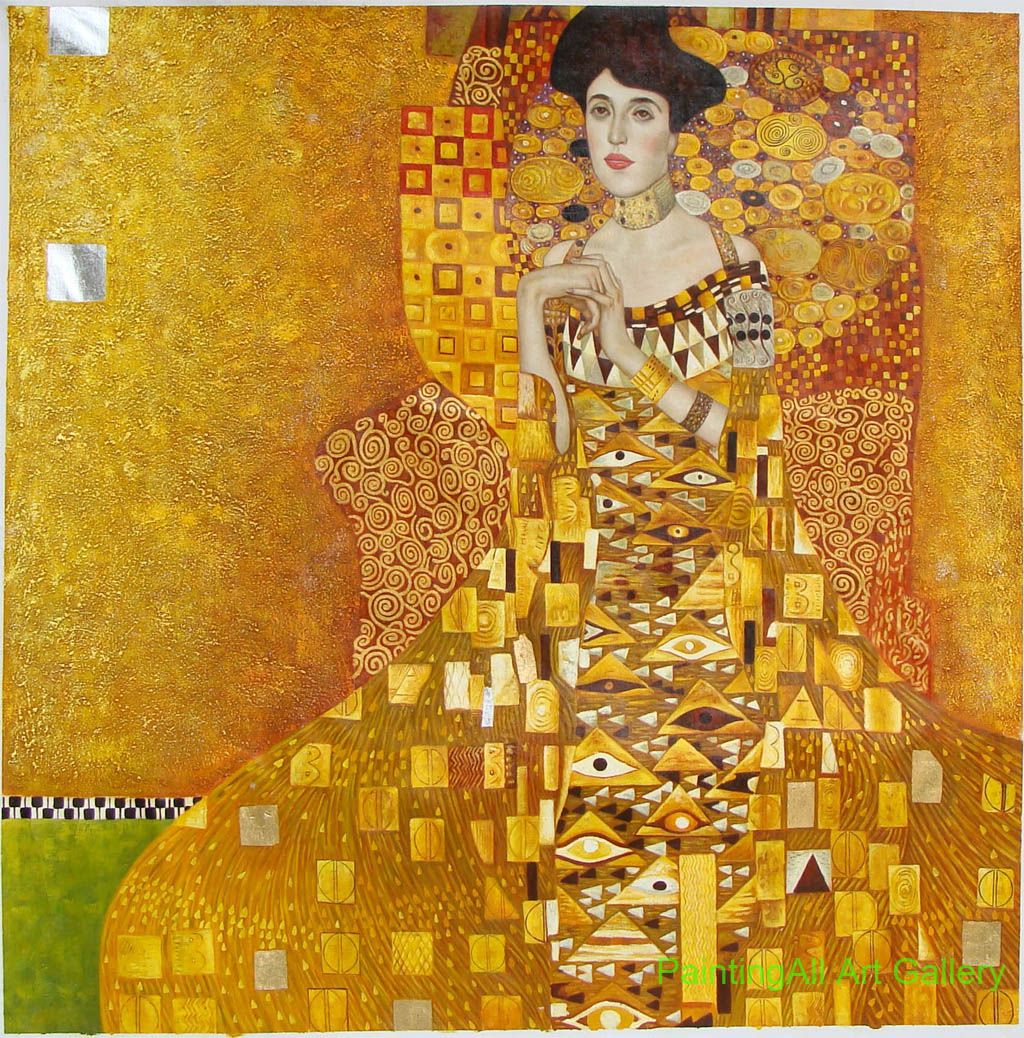
This course looks at the ethical, philosophical, and social questions behind making and viewing art — with a focus on cinema. You will explore: Who has the right to create and interpret art? What do filmmakers and audiences owe each other? How do different cultures handle censorship, representation, and authorship — and how can those views sharpen your own practice?
The course runs through three modules — Documentary Photography, Documentary Filmmaking, and Narrative Filmmaking — each a full learning cycle: you ground yourself in a real case, investigate a question you choose, debate it with peers, and produce a short piece of work. A fourth module gives you time to develop, revise, and present a substantial final project.
By the end, you will have tested the major ethical frameworks against cases you picked yourself, and defended your position under real questioning. That's what it means to practise ethics — not just study it.
- Teachers: Zhazgul Ibraimova
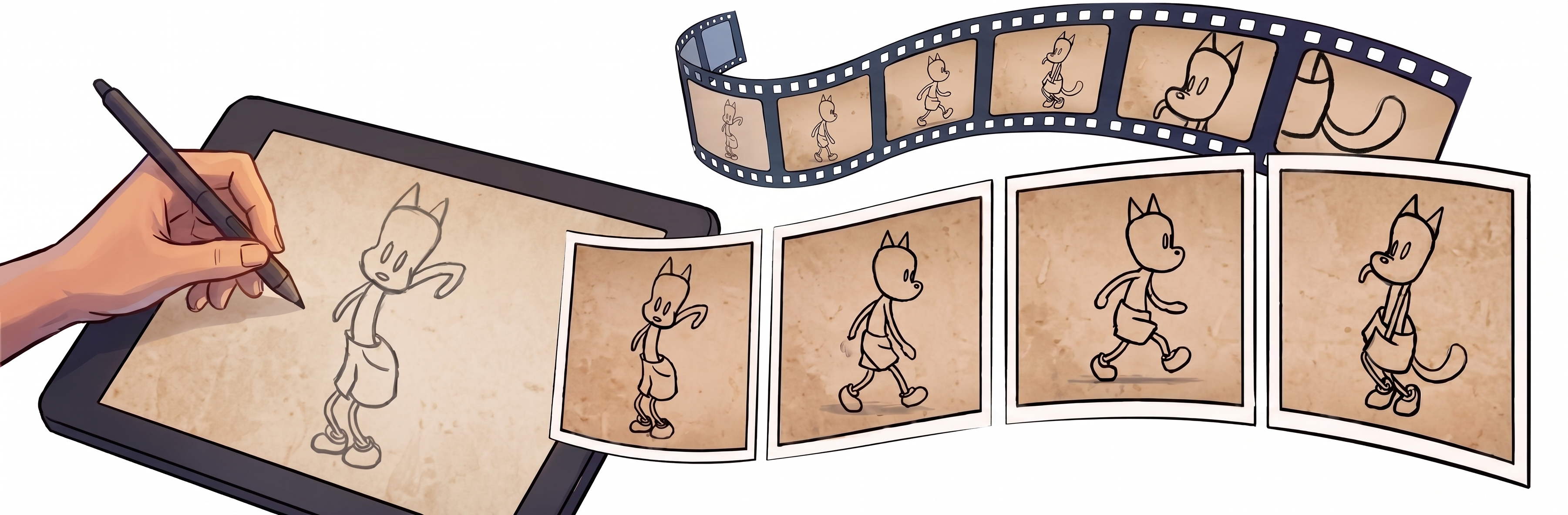
This practice-based course introduces you to the digital 2D animation production pipeline from concept development to delivering a short 30-60-second animation. The first part of the course is focused on pre-production, where you will learn how to translate ideas into clear, production‑ready materials presented in an Animation Bible and animatic. During the second part - production, you will build practical animation skills in digital 2D animation (Moho). Through hands-on projects, you will learn how to develop characters and apply core animation principles to create a polished short film. Emphasis is placed on both creative decision-making and technical proficiency. The last part, post-production, focuses on polishing your film. You will refine timing, add sound, and prepare your animation for final export and presentation. By working through all stages of the animation pipeline, you will strengthen the professional competencies needed for contemporary media‑arts production.
- Teachers: Svetlana Chernova
- Teachers: Adilet Karzhoev
- Teachers: Sultan Usuvaliev
- Teachers: Kanykei Orozoeva
- Teachers: Zhumanazar Koychubekov